Storm Damage Preparedness Checklist for Trees and Landscapes in North Georgia
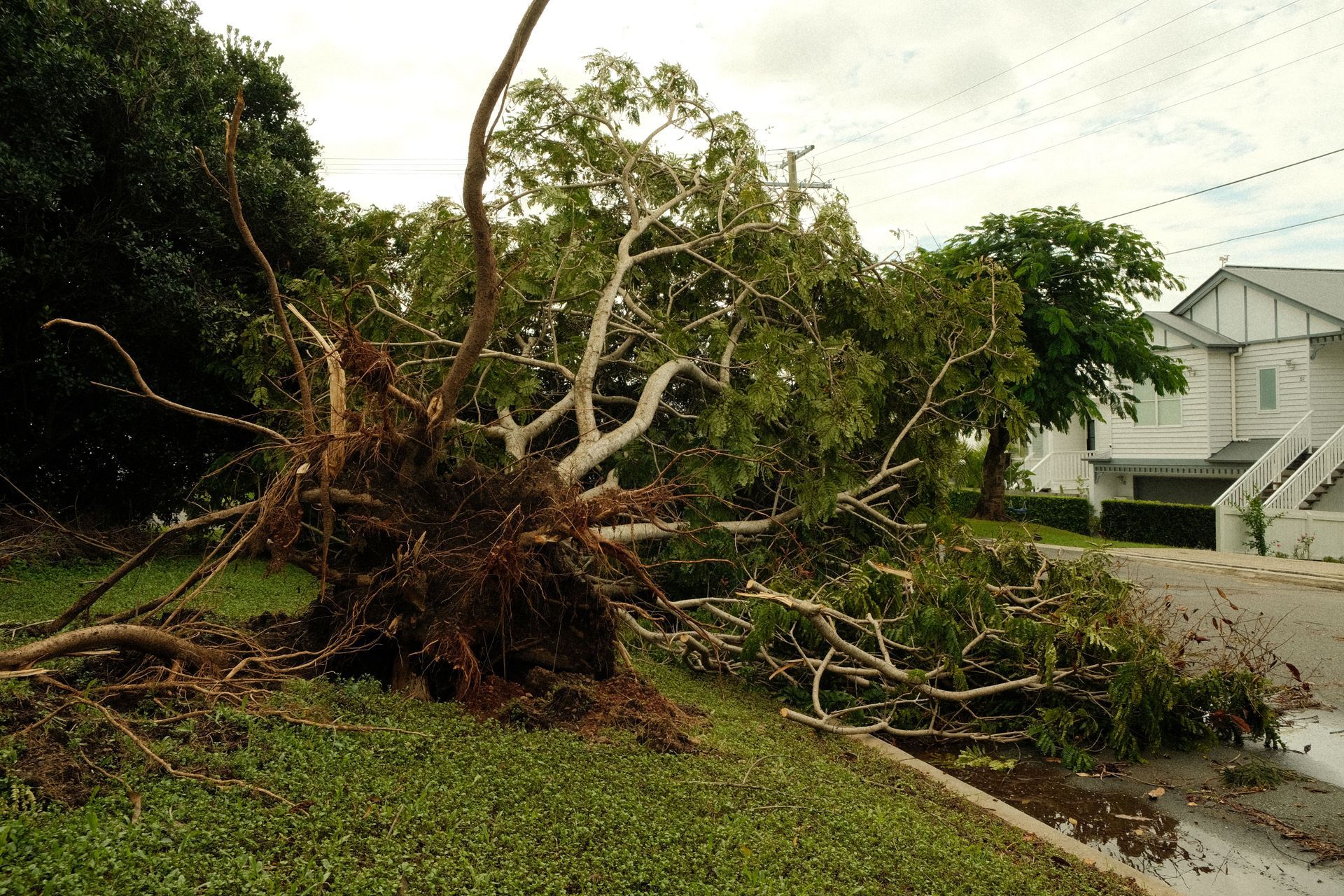
The weather in North Georgia can be unpredictable, with powerful storms capable of causing significant damage to homes and landscapes. While you can't stop a storm, you can take proactive steps to protect your property. A major area of concern for homeowners is the health and stability of their trees. A fallen tree or large branch can cause catastrophic damage, but with some preparation, you can minimize the risk and safeguard your outdoor space.
This checklist provides actionable steps to prepare your trees and landscape for storm season. By focusing on prevention and safety, you can protect your valuable green assets and gain peace of mind before the wind and rain arrive.
Pre-Storm Inspection: What to Look For
The first step in storm preparedness is a thorough inspection of your property. Walk around your yard and take a close look at your trees, paying special attention to potential hazards. Identifying weak points now can prevent major problems later.
Signs of Tree Instability
- Cracks and Splits: Look for deep cracks in the trunk or major limbs. These are significant structural weaknesses.
- Deadwood: Dead branches, often identifiable by a lack of leaves or peeling bark, are brittle and likely to snap off in high winds.
- Leaning: A tree that has started leaning suddenly or has heaving soil around its base is a major red flag for root failure.
- Mushroom Growth: Fungi growing on the trunk or near the roots can indicate internal decay, which compromises the tree's strength.
- Hollows or Cavities: Large cavities in the trunk or main branches can make a tree structurally unsound.
Little Known Fact: Some of the most common trees in Georgia, like Bradford Pears, are notoriously prone to splitting and breaking during storms due to their weak branch structure. In contrast, native species like Live Oaks and Bald Cypresses have evolved to be more wind-resistant.
The Homeowner's Storm Preparedness Checklist
Once you’ve assessed your property, it’s time to take action. Follow this checklist to secure your landscape.
1. Prune and Trim with a Purpose
Proper pruning is one of the most effective ways to prepare your trees for a storm. Thinning the canopy allows wind to pass through the branches rather than pushing against the tree like a sail.
- Remove Dead or Weak Branches: Prioritize cutting any branches that you identified as dead, damaged, or weakly attached.
- Thin the Crown: Selectively remove some branches to reduce the tree’s overall density.
- Avoid "Topping": Never cut the main, vertical top stem of a tree. This practice, known as topping, creates weak, unstable new growth and makes the tree more hazardous in the long run.
Pro-Tip: If pruning requires a ladder or involves branches larger than a few inches in diameter, it's a job for a professional. Arborists use specialized equipment and techniques, like spikeless pruning, to safely remove limbs without damaging the tree.
2. Secure Your Landscape and Outdoor Items
High winds can turn everyday objects into dangerous projectiles. Before a storm is forecasted, take the time to secure your yard.
- Store Loose Items: Bring patio furniture, garden tools, bird feeders, and potted plants indoors or into a garage or shed.
- Check Young Trees: Newly planted or young trees may need extra support. Ensure stakes and guy wires are secure but not so tight that they damage the bark.
3. Clear Gutters and Drainage Paths
Heavy rainfall is a major component of most storms. Ensuring water can flow freely away from your home and landscape is crucial.
- Clean Gutters: Remove leaves and debris from your roof gutters to prevent water from overflowing and saturating the ground near your foundation and tree roots.
- Check Drainage Routes: Make sure drainage ditches and culverts on your property are clear of obstructions so water can move away efficiently.
Little Known Fact: Proper mulching does more than just make your garden beds look nice. A 2- to 4-inch layer of mulch helps the soil absorb heavy rainfall slowly, preventing erosion and protecting the tree's delicate feeder roots from being washed away or oversaturated. Avoid "volcano mulching" where mulch is piled high against the trunk, as this can trap moisture and promote decay.
4. Schedule a Professional Tree Risk Assessment
For the ultimate peace of mind, nothing beats a professional evaluation. An arborist can spot potential issues that an untrained eye might miss.
- Expert Evaluation: An ISA Certified Arborist can assess the health, structure, and stability of your trees.
- Actionable Plan: They will provide a detailed report and recommend specific actions, such as corrective pruning, cabling and bracing for weak limbs, or removal if a tree is deemed too hazardous.
Pro-Tip: Schedule a tree risk assessment well before storm season begins. This gives you ample time to address any recommended work without the pressure of an impending storm. It’s a small investment that can prevent thousands of dollars in potential damage.
After the Storm: Safety First
Once the storm has passed, it's important to assess the damage safely.
- Look Up for Hazards: Be aware of broken branches that may be caught in the canopy and could fall at any moment. These are often called "widow-makers" for a reason.
- Stay Away from Downed Power Lines: If a tree or branch has fallen on a power line, do not go near it. Contact your utility company immediately.
- Document the Damage: Take photos of any damage to your property and trees for insurance purposes before you begin cleanup.
Trust the Professionals for Storm Prep and Cleanup
Preparing your trees and landscape for a storm is a critical part of responsible homeownership in North Georgia. While some tasks are suitable for a weekend DIY project, many require the skill and equipment of a professional.
At SAM Tree Service, our ISA Board Certified Master Arborist and experienced team are here to help you with everything from pre-storm risk assessments and preventative pruning to emergency storm cleanup. We have the expertise to ensure your property is as safe as possible before the storm and to handle any damage that occurs after.
Don't wait for the weather forecast to turn severe. Contact SAM Tree Service today for a professional consultation and take the first step toward a safer, more secure property.
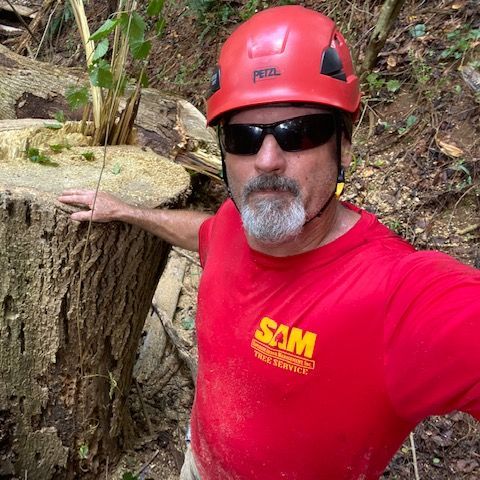
Tim Costley
Tim Costley is the President of Superior Arbor Management, Inc. He has achieved the ISA Arborist Certification to provide the best possible tree care for S.A.M.’s customers.
*ISA Certified Arborist #SO-1925A
*ISA Tree Risk Assessment Qualification (TRAQ)
*ASCA (American Society of Consulting Arborist) Member