20 Surprising Facts About Trees That People Often Get Wrong
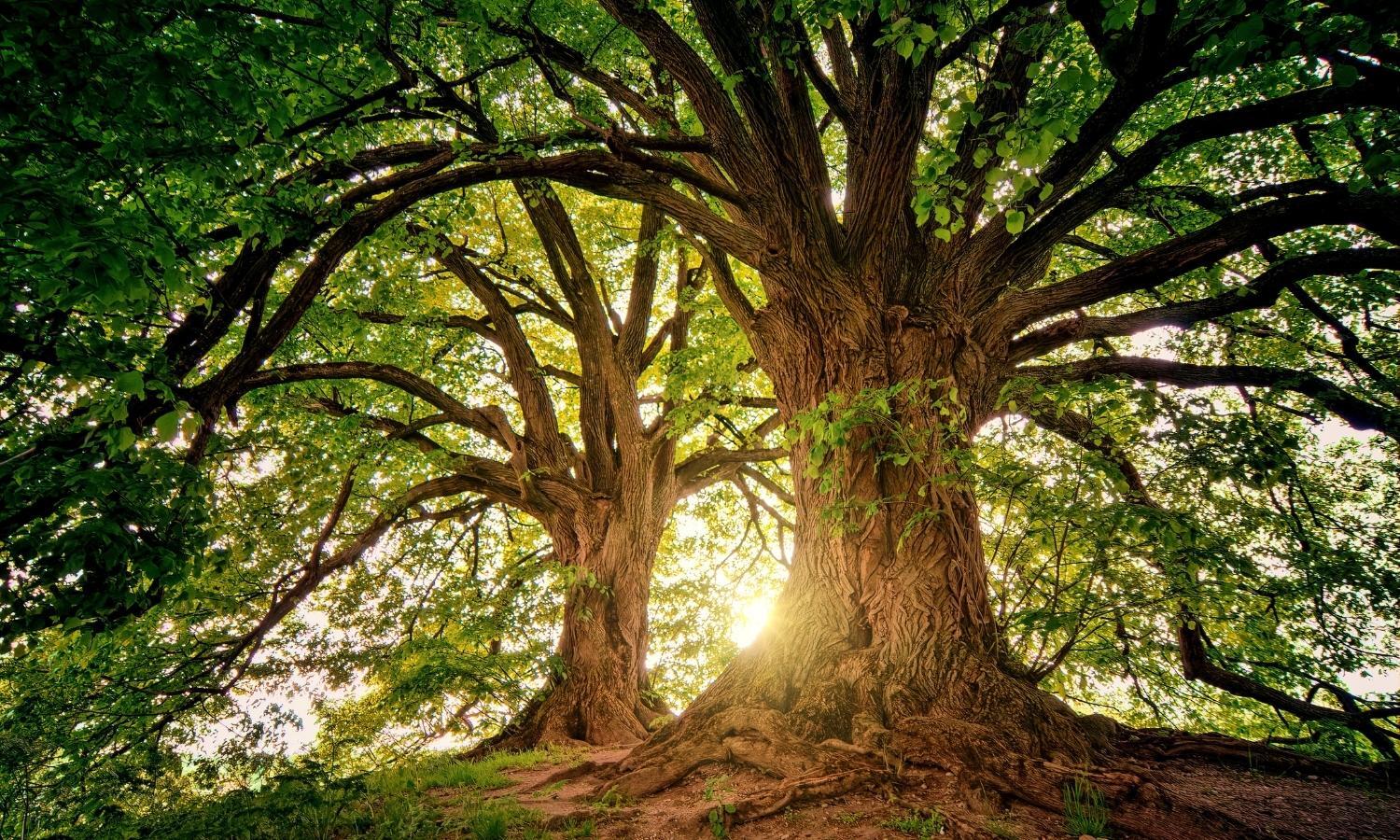
Trees are all around us, quietly thriving and making the world a better place. Yet, how often do we stop to think about them? These incredible organisms are full of surprises, and some of the things we assume about them couldn’t be more wrong. Get ready to learn some fun, quirky, and downright fascinating facts about trees that will change the way you see them forever!
1. Trees Can Communicate
Believe it or not, trees can "talk" to one another through underground fungal networks known as the "Wood Wide Web." They exchange nutrients and even warn their neighbors about pests and other threats.
2. Not All Trees Grow Straight Up
Some trees, like banyans, grow outward by sending down aerial roots that eventually become trunks. It’s like having a forest within a single tree!
3. A Tree’s Age Isn’t Always What It Seems
Counting tree rings is a common way to measure age, but not all tree species produce visible rings. Some tropical trees, for example, lack them because they grow in stable climates.
4. Tree Roots Are Vast
A tree’s root system can stretch two or three times wider than its canopy. That means the ground beneath a large tree is filled with intricate networks of roots, stabilizing soil and soaking up water.
5. Leaves Aren’t Just for Shade
Sure, leaves provide shade and beauty, but they’re tiny powerhouses of photosynthesis. Without leaves, trees couldn’t produce the food they need to grow.
6. The Tallest Tree Is Mind-Bendingly Tall
The tallest known tree, a coast redwood named Hyperion, stands at a staggering 379 feet tall. To put that into perspective, that’s taller than the Statue of Liberty!
7. Trees Can Heal Themselves (Sort of)
When a tree trunk is wounded, it doesn’t "heal" like we might think. Instead, it isolates the damaged area to prevent further harm and continues growing around it.
8. They Work While You Sleep
Trees don’t take the night off. They continue to absorb oxygen and emit carbon dioxide at night, a far cry from their role as daytime oxygen factories.
9. “Evergreen” Doesn’t Mean Eternal
Evergreens may keep their needles year-round, but those needles eventually fall and are replaced. They’re just better at shedding gradually instead of all at once like deciduous trees.
10. Fruit Trees Need Friends
Some fruit trees, like apples, require cross-pollination to produce fruit. That means you’ll need another tree nearby for your apple tree to “have a conversation” with.
11. Not Every Pine Cone Is the Same
We often think of pine cones as all alike, but female cones hold the seeds while male cones release pollen. Both are equally fascinating parts of the tree’s reproductive cycle.
12. Trees Can Clone Themselves
Some trees, like aspens, can reproduce by sending shoots up from their roots. Forests of these “clones” can be thousands of years old.
13. They’re Not Always Green
While green is typically the color of choice, trees like Copper Beech display beautiful bronze or even purple hues, defying expectations.
14. Trees Can "Drink" A Lot
A mature oak can draw up to 50 gallons of water a day, depending on weather conditions. That’s a tree-sized thirst!
15. Wood Is Surprisingly Lightweight
Despite their sturdy appearance, some trees, like balsa, produce wood that is so light it’s often used to make model aircraft and boats.
16. You Can’t Always Tell a Tree’s Health at First Glance
A tree may look fine on the outside but could have internal decay, making professional assessments essential for safety and longevity.
17. Some Trees Are Older Than Civilization
The oldest known individual tree is a bristlecone pine named Methuselah, which is over 4,800 years old. Just imagine what it’s witnessed!
18. Tree Growth Isn’t Linear
Trees don’t grow uniformly year-round. Growth slows or stops in colder months, which is why rings form in some species.
19. Trees Are Heavy Lifters
When combined, the trees of the world remove about 2.4 billion tons of CO2 from the atmosphere every year. They’re the ultimate team players in fighting climate change.
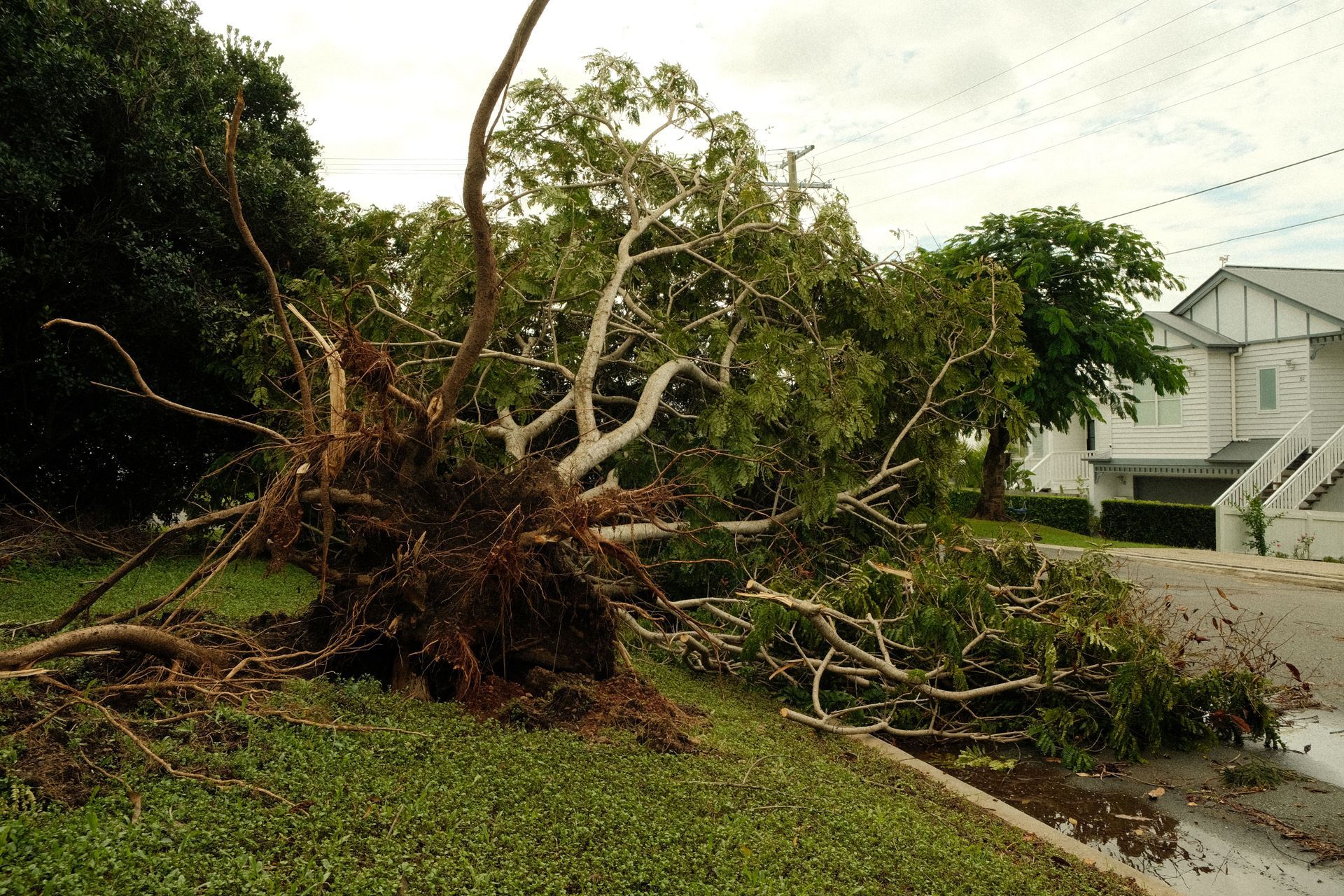
20. Cutting a Root Can Cause Major Damage
Removing or damaging even one significant root can compromise a tree’s stability and health. Always consult an expert before digging near a tree.
Have Questions About Your Own Trees?
These are just a few of the amazing things that make trees an important part of our lives. But when it comes to the health and safety of your own trees, there’s always more to learn. If you have questions or need a tree evaluation, we can help. Visit
our arborist consulting page to learn more about our arborist services and ensure your trees are thriving for years to come!
Tim Costley
Tim Costley is the President of Superior Arbor Management, Inc. He has achieved the ISA Arborist Certification to provide the best possible tree care for S.A.M.’s customers.
*ISA Certified Arborist #SO-1925A
*ISA Tree Risk Assessment Qualification (TRAQ)
*ASCA (American Society of Consulting Arborist) Member