
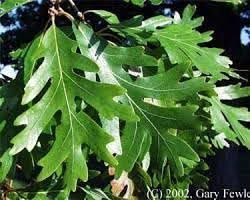
- Identification: Look for leaves with rounded lobes (no points). The bark is light gray and features a distinctive flaky or "shaggy" texture as the tree matures.
- Height: Typically reaches 25m (80+ feet).
- Best Use: The ultimate shade tree. Its wood is watertight, making it the historical choice for whiskey barrels and high-end furniture.
The North Georgia Tree Identification Guide: From the Piedmont to the Blue Ridge
February 23, 2026
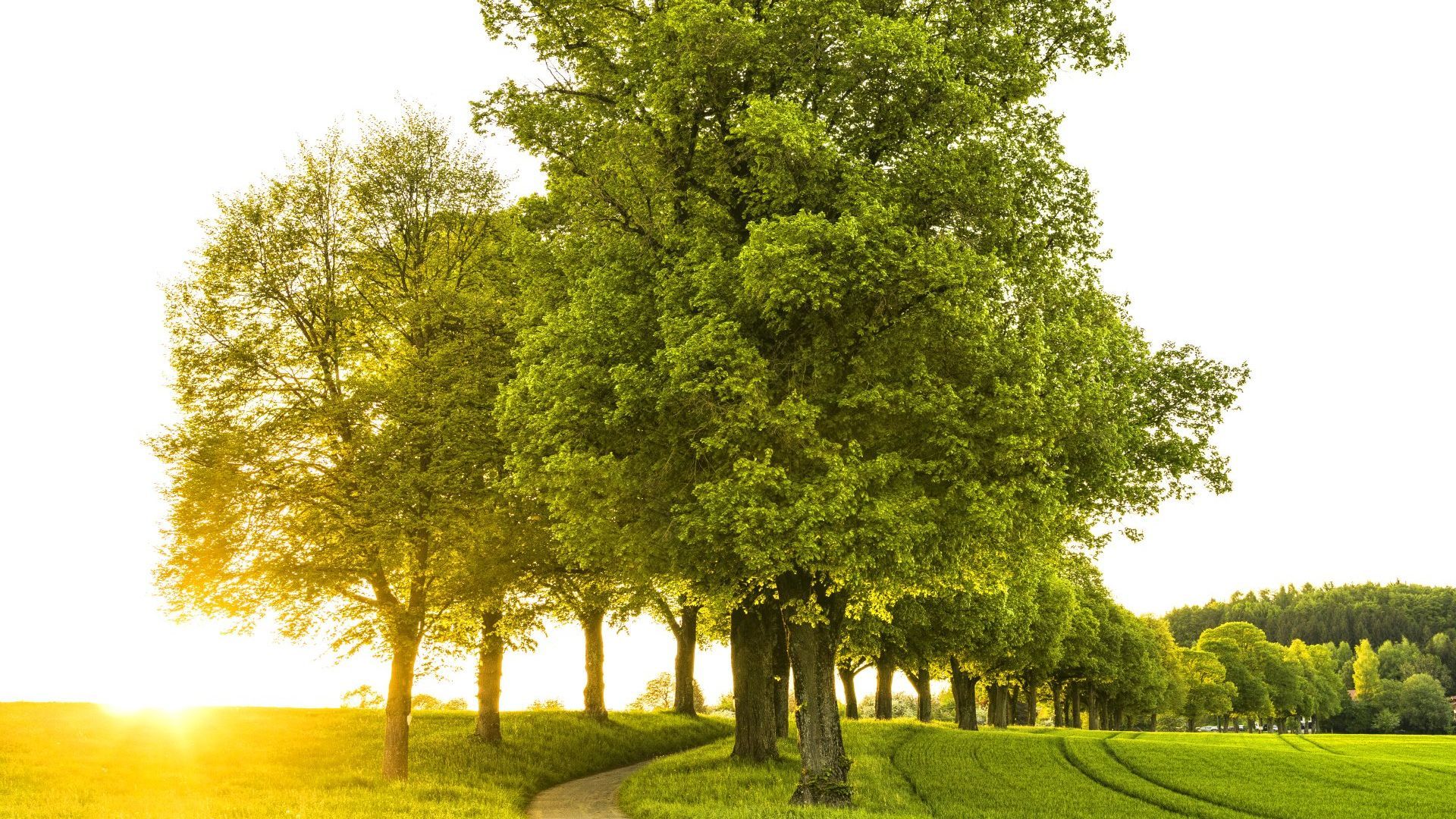
North Georgia is home to one of the most diverse forest canopies in the United States, and as the provider of the best tree service in Dawsonville, we want to guide you through a few of these tree species. Whether you are hiking the Appalachian Trail or looking at the giants in your own backyard in Dawsonville, identifying these trees is the first step in understanding the health and value of your property.
In this guide, we break down the most common species using local data on height, range, and use.
The Giants of the Hardwood Forest: The Oaks
Oaks are the "Kings of the Forest" in Georgia, generally split into two distinct groups: White Oaks and Red Oaks.
The White Oak (Quercus alba)
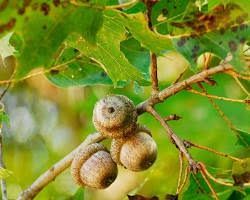
The Scarlet Oak (Quercus coccinea) vs. Northern Red Oak (Quercus rubra)
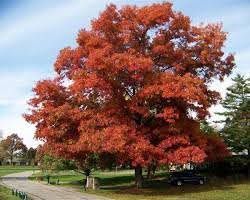
- Identification: Both have pointy, bristle-tipped leaves. The Northern Red Oak has shallow "U-shaped" valleys between lobes, while the Scarlet Oak has deep, circular "C-shaped" valleys.
- Fall Color: The Scarlet Oak is the MVP of autumn, providing the most brilliant, fiery red color in the mountains.
The Towering Pines
While the White Pine is the beauty of the mountains, the Loblolly is the workhorse of the Georgia economy.
Loblolly Pine (Pinus taeda)
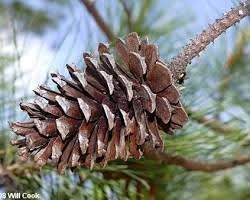
- Identification: The most common pine in Georgia. Look for three needles per bundle (fascicle), usually 6–9 inches long. Its bark forms thick, reddish-brown "plates" on older trees.
- Height: A rapid grower reaching 30–35m (100+ feet).
- Best Use: The backbone of the Southern timber industry. It is used for everything from paper pulp to construction lumber and plywood.
Eastern White Pine (Pinus strobus)
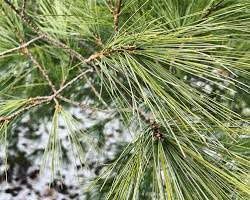
- Identification: Soft, flexible needles in bundles of five (one for each letter in W-H-I-T-E).
- Best Use: Popular for Christmas trees and soft, workable lumber for interior trim.
The "Color & Character" Species
These trees are easily identified by their unique seeds and vibrant leaf changes.
Tulip Poplar (Liriodendron tulipifera)
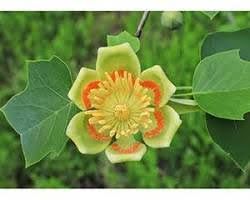
- Identification: One of the tallest broadleaf trees in the U.S. Look for tulip-shaped leaves with four lobes and large yellow-green flowers in spring. The trunk is remarkably straight, often with no branches for the first 50 feet.
- Height: Can soar to 30m–45m (150 feet in deep mountain coves).
- Best Use: Known as "Yellow Poplar" in the lumber yard, it’s used for cabinetry, musical instruments, and light construction. Historically, Native Americans used the long, straight trunks to make dugout canoes.
Sweetgum (Liquidambar styraciflua)
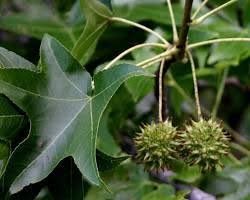
- Identification: Famous for its star-shaped leaves and spiky, woody fruit often called "gum balls." The bark on younger twigs often has strange, corky ridges.
- Height: Typically 25m (80+ feet).
- medicinesBest Use: A superstar for fall color (shifting from yellow to purple). The wood is widely used for plywood veneer, while the resin was historically used to make chewing gum and mediciness
Red Maple (Acer rubrum)
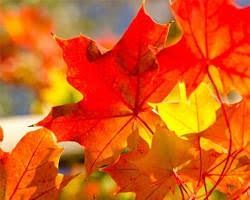
- Identification: Look for red stems (petioles) and leaves with 3–5 lobes and serrated (toothed) edges. It is often the first tree to flower in late winter, casting a "red haze" across the Georgia landscape.
- Height: Reaches about 20m (65 feet).
- Best Use: A prized landscape tree for its consistent red fall foliage. While it can be used for syrup, it is most often used for "soft maple" lumber in crates and pallets.
The Understory Beauty
Flowering Dogwood (Cornus florida)
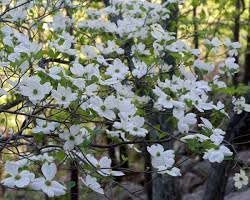
- Identification: Small tree (8m) with bark that resembles alligator skin.
- Best Use: Ornamental beauty and hard, shock-resistant wood for tool handles.
Quick Reference Chart: Identification at a Glance
| Common Name | Common Name | Seed/Fruit Type | Best "Tell" |
|---|---|---|---|
| Loblolly Pine | 3 Stiff Needles | Spiky Brown Cone | Tallest pine in Piedmont |
| Tulip Poplar | Tulip Shape | Cone-like Samaras | Straight, "telephone pole" trunk |
| Sweetgum | Star Shape | Spiky "Gum Balls" | Corky ridges on twigs |
| Red Maple | 3-5 Lobe (Toothed) | Winged "Helicopters" | Red stems and early spring buds |
Arborist's Safety Tip
Identifying your trees is the first step toward property safety. Large species like the Tulip Poplar and Loblolly Pine are fast growers but can become hazardous if they develop "included bark" or root rot. If you notice "gum balls" dropping earlier than December or a Maple with yellowing leaves in mid-summer, it’s time for a professional health audit.
Local FAQ
Is the North Georgia terrain too rocky or steep for professional tree equipment?
While the red clay and granite outcroppings of the Blue Ridge foothills present unique challenges, our team is highly experienced in navigating Dawsonville’s vertical and rocky terrain. We use specialized low-impact machinery and high-angle rigging techniques to safely manage removals on steep slopes without damaging your landscape’s integrity.
How does professional tree care improve the comfort and quality of my home?
Beyond safety, strategic arborist-led pruning improves natural airflow and light penetration on your property. By managing the canopy of massive species like the White Oak or Tulip Poplar, we help reduce the "humidity pockets" around your home, keeping your outdoor living spaces cooler and more comfortable during the peak of summer.
How do Georgia's intense summer storms affect the durability of my trees?
Our high humidity and sudden thunderstorms create a "heavy" atmosphere that can snap the brittle tops of Loblolly Pines or uproot trees in waterlogged red clay. As the provider of the best tree service in Dawsonville, we focus on structural pruning to reduce "wind sail" and reinforce the durability of your canopy, ensuring your trees can withstand both the ice of winter and the heavy gusts of summer.
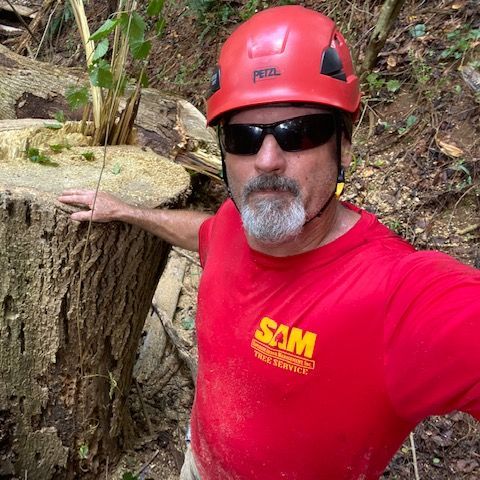
Tim Costley
Tim Costley is the President of Superior Arbor Management, Inc. He has achieved the ISA Arborist Certification to provide the best possible tree care for S.A.M.’s customers.
*ISA Certified Arborist #SO-1925A
*ISA Tree Risk Assessment Qualification (TRAQ)
*ASCA (American Society of Consulting Arborist) Member
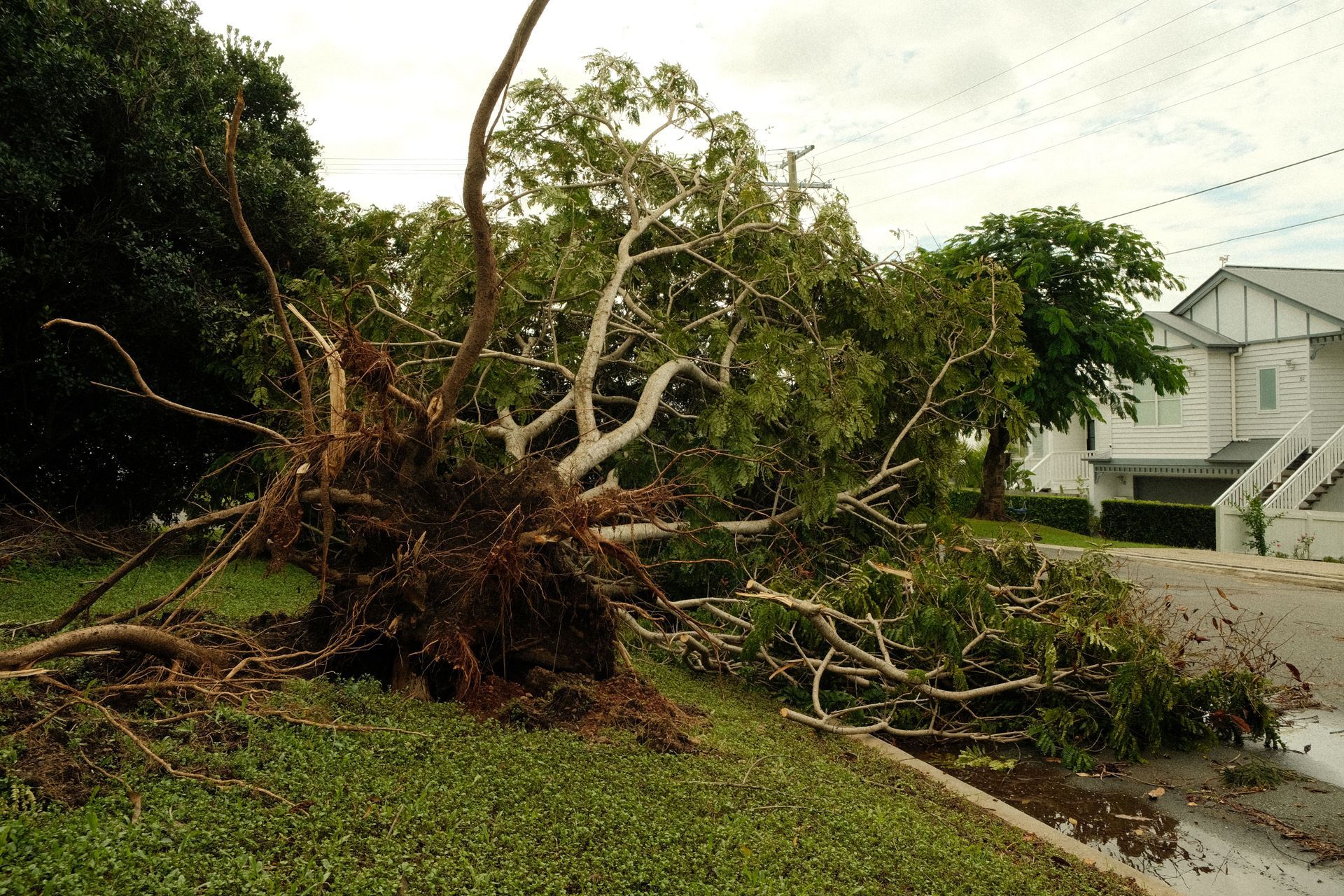
Prepare your trees and landscape for storm season in North Georgia with our expert checklist. Learn pro-tips, little-known facts, and actionable steps to protect your property. Contact SAM Tree Service for professional storm preparation and cleanup.
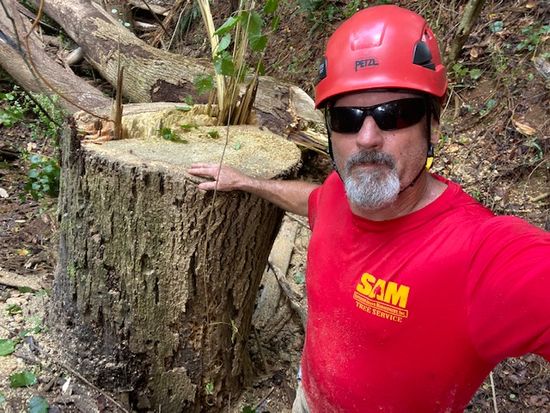
Tim Costley is an ISA Board Certified Master Arborist who also runs a fifth-generation farm in Dawsonville. Here's why that makes your trees safer.